
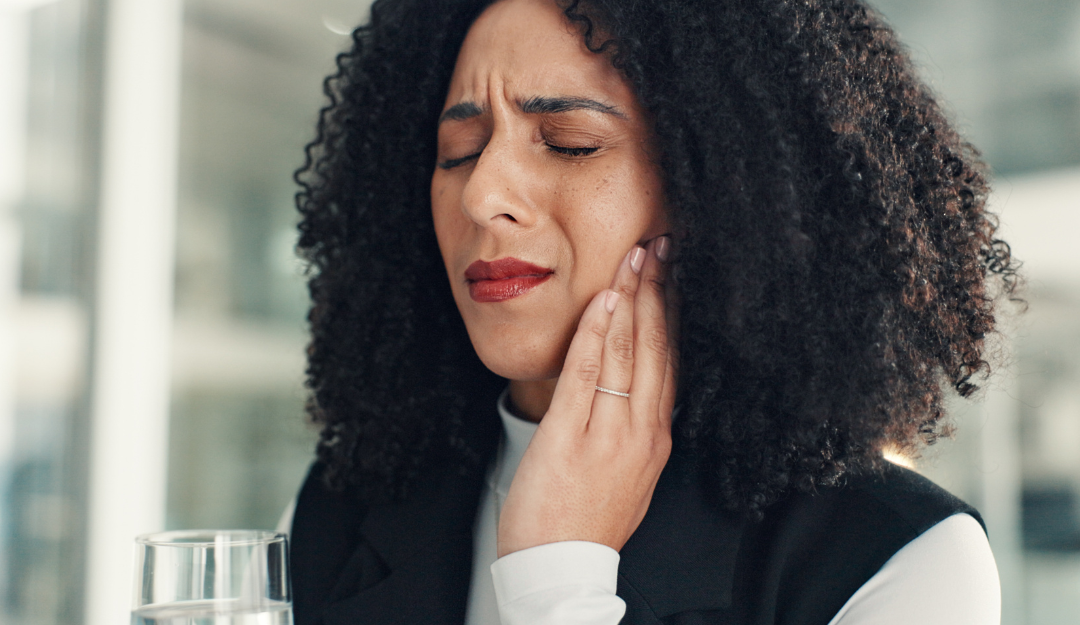
You’ve been waking up with headaches. Your jaw feels tight before you’ve even had your morning coffee. Maybe your gums have been a little tender lately, and you’ve chalked it all up to a rough few weeks at work. But what if your body — specifically your mouth — has been quietly paying the price for chronic stress far longer than you realized? At Roberson Dental Care in Birmingham, AL, we see the oral effects of stress more often than most patients expect. If you’re searching for a dentist in Birmingham who looks at the full picture of your health, this is worth reading.
Your Mouth Under Pressure: The Stress-Oral Health Connection
The relationship between stress and oral health is well-documented but poorly understood by most people. Chronic stress triggers elevated cortisol levels, which suppress immune function, promote inflammation, and alter the bacterial environment in your mouth — all while many patients have no idea it’s happening. The result is a cluster of oral health problems that can develop slowly and quietly over months or years.
Bruxism: The Nighttime Problem You Don’t Know You Have
One of the most common — and most overlooked — manifestations of stress in the mouth is bruxism: the grinding and clenching of teeth, often during sleep. Many people grind their teeth for years without a formal diagnosis. The signs are subtle at first: morning jaw soreness, tension headaches, a feeling of fatigue in the face. Over time, however, bruxism causes measurable damage — worn enamel, cracked teeth, increased tooth sensitivity, and in severe cases, damage to the jaw joint (TMJ).
A night guard fitted by Roberson Dental Care can protect your teeth from the mechanical damage of grinding, but addressing the underlying stress is equally important for long-term relief.
Gum Disease and the Cortisol Connection
Here’s something that surprises many patients: stress directly worsens gum disease. Elevated cortisol compromises the immune system’s ability to fight the bacteria responsible for periodontal infection. Studies have consistently shown that people under chronic psychological stress have higher rates of gum disease, more severe symptoms, and slower healing after treatment.
If you’ve noticed your gums bleeding more than usual, appearing redder, or pulling away from your teeth, don’t dismiss it as coincidence — especially if life has been particularly demanding lately. Early intervention at a Birmingham, AL dental practice like Roberson Dental Care can prevent what starts as gingivitis from progressing to more serious periodontal disease.
Dry Mouth: The Hidden Side Effect of Stress Medications
Many patients managing chronic stress are also managing anxiety or depression with prescription medications — antidepressants, anti-anxiety drugs, and blood pressure medications among the most common. A frequently overlooked side effect of many of these medications is dry mouth (xerostomia). Saliva is your mouth’s built-in defense system: it neutralizes acids, washes away food particles, and keeps bacterial populations in check. When saliva production drops, cavities and gum infections become significantly more likely.
If you’re on medication and noticing increased thirst, a sticky feeling in your mouth, or more frequent cavities, let your dentist know. There are practical strategies — prescription fluoride, saliva substitutes, and hydration habits — that can offset the risk.
When Self-Care Routines Fall Apart
There’s also the behavioral side of stress to consider. When life is overwhelming, oral hygiene is often one of the first routines to slip. Skipping flossing, brushing less thoroughly, reaching for sugary comfort foods, increasing alcohol consumption, or resuming tobacco use — all common stress responses — compound the physical damage already happening beneath the surface.
The pattern is cyclical: stress damages oral health, oral health problems cause more stress, and the downward spiral continues until something breaks the cycle — usually a dental visit.
Breaking the Cycle With Proactive Care
The most important thing you can do if you’re under chronic stress is maintain regular dental visits, even when life feels too busy for them. A trained eye can spot the early signs of bruxism, gum inflammation, and enamel erosion before they require major treatment.
At Roberson Dental Care, we work with patients throughout Birmingham, AL to identify stress-related oral health changes early and develop a care plan that protects your smile for the long term. If you’re looking for a dentist in Birmingham who understands the whole-body connection to oral health, we’re here to help. Contact us today to schedule a comprehensive exam — your teeth may be telling a story that’s worth listening to.
